In short
Birmingham Airport has moved its high mast lighting from SON to LED. What SON-to-LED upgrades involve, and when to keep existing structures.
A1 Lighting Magazine reported on 16 November 2026 that Birmingham Airport, working in multiple phases, has fully upgraded its high mast lighting to LED. The programme replaced high-pressure sodium (SON) sources on aircraft stands, using replacement lantern carriages on existing structures alongside new 25-metre masts where required. The upgrade is forecast to save approximately 125,000 kWh of electricity a year, an estimated 26-tonne annual reduction in carbon emissions, with LED expected to cut consumption by around 65% compared with SON (A1 Lighting Magazine).
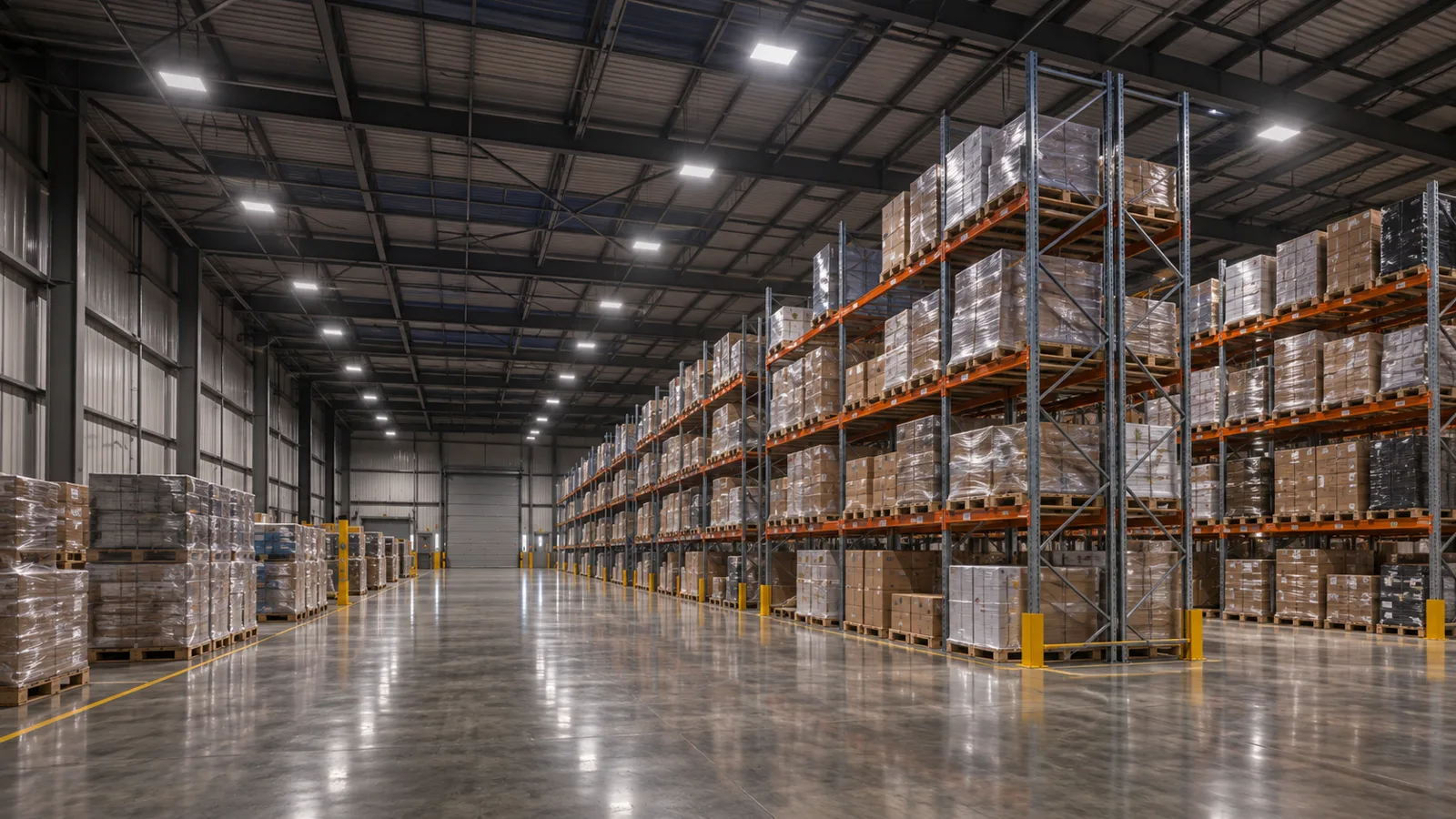
Most buildings do not have high masts, but many still have SON or other high-intensity discharge (HID) lighting in warehouses, yards, car parks, sports halls and factories. This guide explains what moving from SON to LED involves and how the same principle applies: keep what still works, and upgrade what does not.
What is SON lighting?
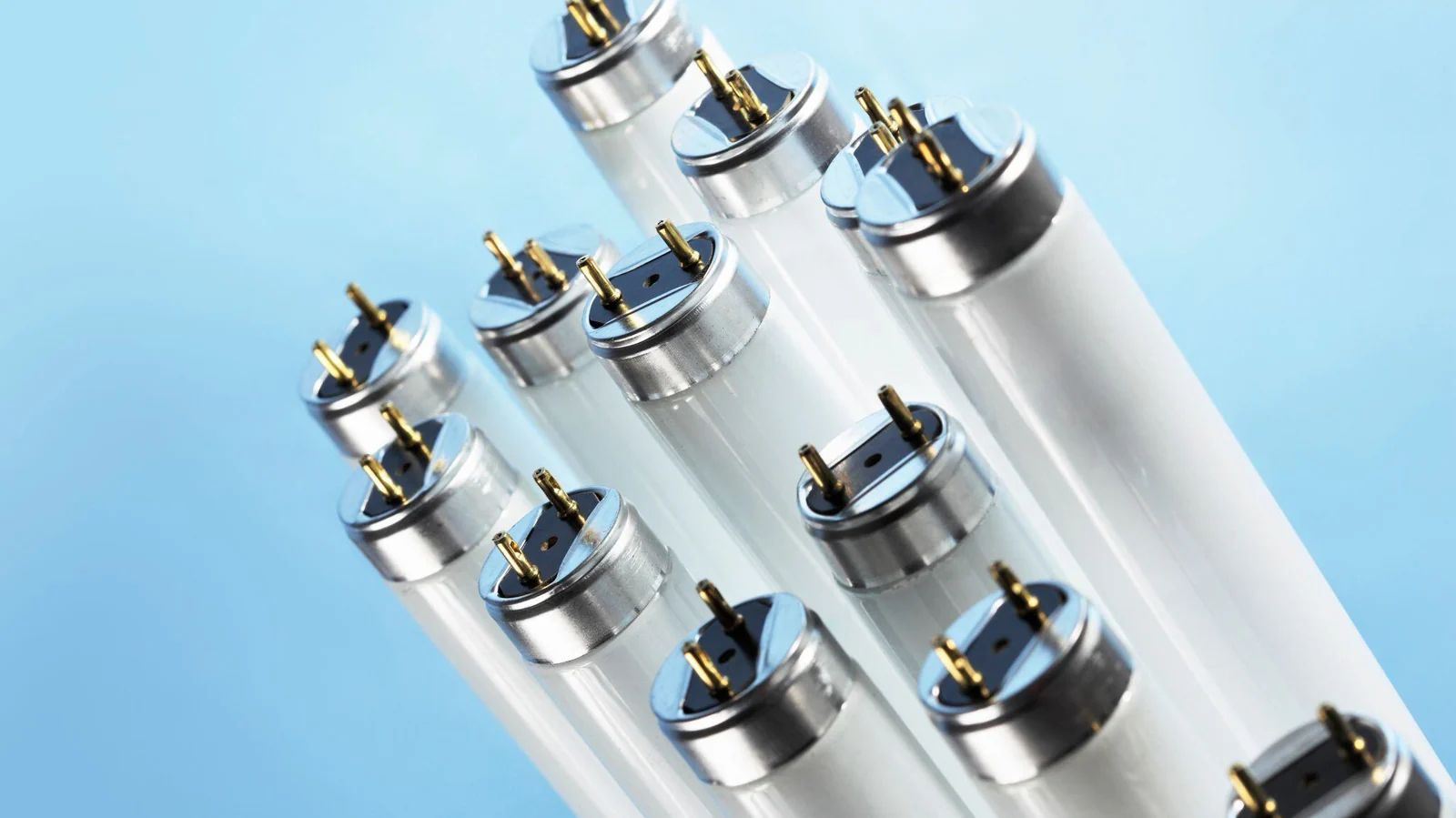
SON lamps are high-pressure sodium lamps, recognisable by their orange-yellow light. They were widely used for streets, car parks, yards and high-bay industrial lighting. Related HID sources include metal halide lamps, which give whiter light. Both need control gear and take time to warm up after switching on.
Why move to LED?
| Factor | SON / HID | LED |
|---|---|---|
| Colour | Orange-yellow (SON) | White, with choice of colour temperature |
| Colour rendering | Low for SON | Typically much higher |
| Switching | Warm-up and restrike delay | Instant on |
| Dimming and controls | Limited | Dimming, sensors and scheduling |
| Energy | Higher for the same task | Usually lower. Birmingham Airport expects around 65% less |
| Maintenance | Regular relamping | Longer intervals, depending on the product |
Exact savings depend on the existing installation, the new design and how controls are used. A survey and lighting design are the way to confirm them.
Keep the structure, change the light
At Birmingham Airport, replacement lantern carriages were fitted to existing structures, with new masts only where needed. Inside buildings, the same thinking applies:
- Keep sound structures. Supports, trunking and fixing points may be reusable
- Reuse positions where they still suit the space, to limit disruption
- Check the wiring and circuit capacity, and test before reuse
- Replace what has failed or cannot be adapted
Our guides to retrofit vs replace and whether a luminaire housing is worth keeping explain how to decide.
Retrofit or new luminaires?
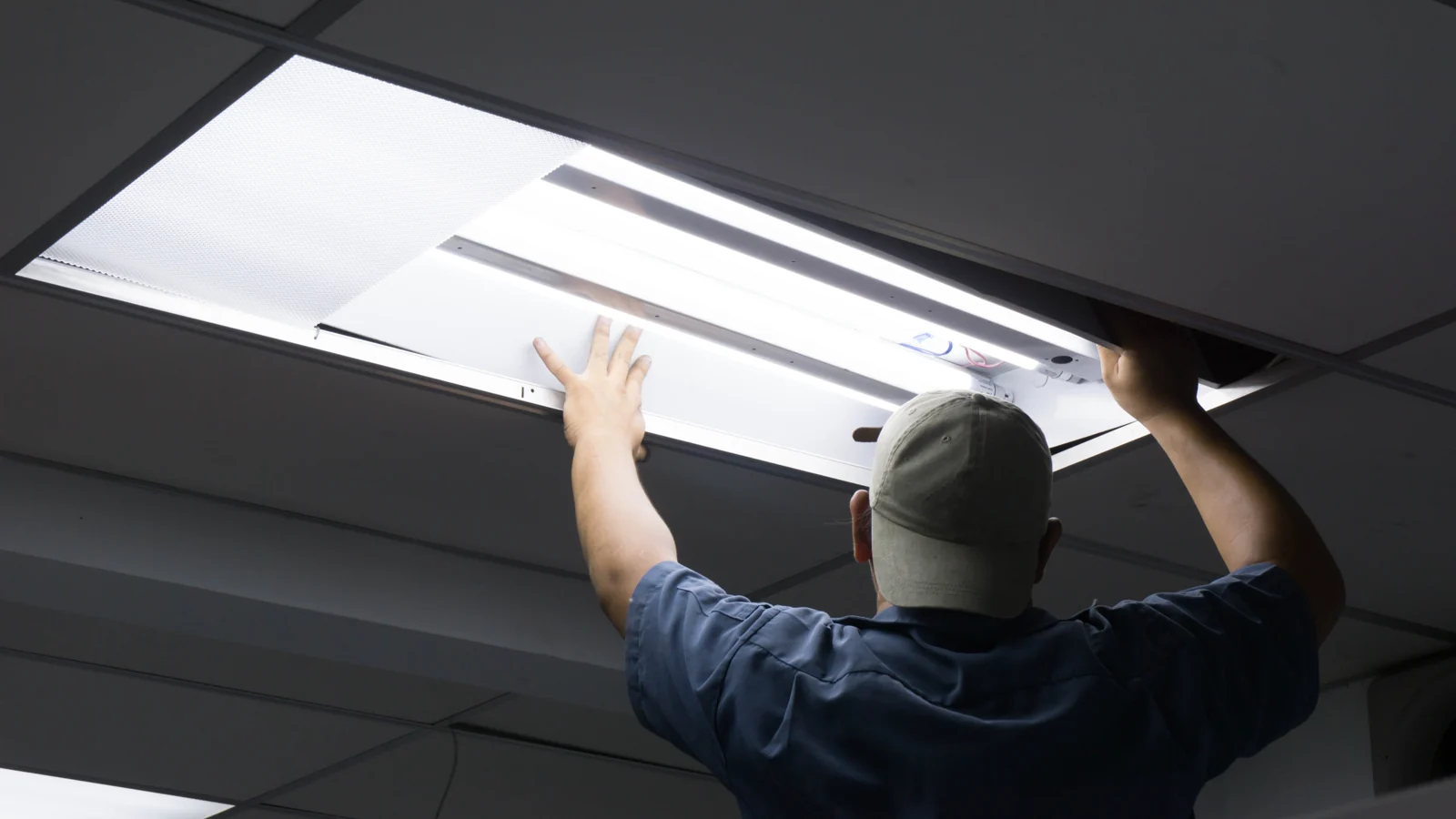
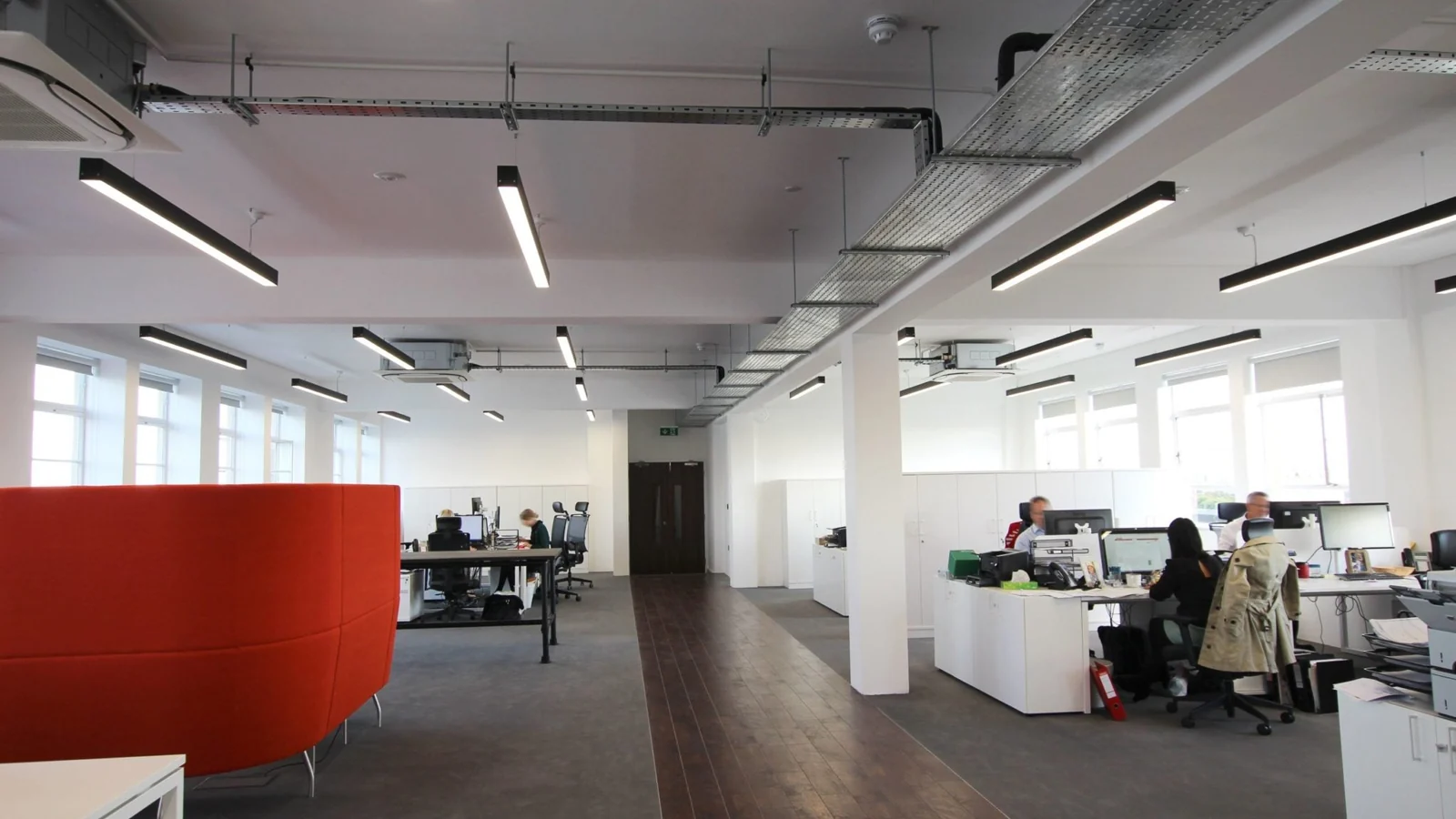
For many high-bay and floodlight fittings, a full replacement with LED luminaires is the practical route. For interior luminaires with sound housings, such as fluorescent battens, modular panels and linear pendants, retrofitting LED gear into the existing body can keep more material in use. See what is LED lighting retrofit?, retrofit for modular panels and retrofit for linear pendants.
Where SON and HID are still found
- Warehouses and factories. High-bay fittings. See linear-led.com on warehouse lighting
- Car parks and yards. Floodlights and column lighting
- Sports halls. High-bay and floodlighting
- Older public buildings. See lighting retrofit in the public sector and lighting retrofit for schools
Controls make the savings
Because LED switches instantly, it can be dimmed or switched by presence and daylight in ways that were impractical with SON. Areas used only part of the time, such as yards, aisles and stores, often benefit most. See adding sensors during retrofit.
Plan for operations
Birmingham Airport's upgrade was carried out in phases, and the raising and lowering mast system allows ground-level maintenance. For any site that must keep working, plan:
- Phased works by area or shift
- Temporary lighting where needed
- Safe access for high fittings
- Emergency lighting checks. See emergency lighting retrofit
See also retrofit in occupied buildings.
Carbon and reporting
LED upgrades reduce operational energy use. Keeping existing structures and housings can also reduce embodied carbon and waste. See embodied vs operational carbon, ESG reporting and ESOS Phase 4. Dispose of old lamps and gear correctly: see WEEE lighting disposal.
Checklist
- Survey existing fittings, structures and wiring. See lighting survey before retrofit
- Confirm light levels for each task
- Decide what to keep, retrofit or replace
- Plan controls from the start
- Phase works around operations
- Record savings after completion. See LED retrofit payback
Light quality and colour
SON lighting's orange-yellow colour makes colours hard to tell apart. Moving to white LED light can improve how people see signs, markings, vehicles and goods, and many people find spaces feel brighter at similar light levels. Choose a colour temperature to suit the use: neutral white is common in warehouses and industrial areas, while warmer white may suit public spaces and areas near homes.
Light spill and neighbours
External upgrades are a chance to reduce light spill. Modern LED floodlights and optics can direct light more precisely onto the task area, which can help reduce glare and stray light for neighbours and wildlife. Check any planning conditions that apply to your site before changing external lighting, and consider switching or dimming external lighting when areas are not in use.
How 299 Lighting can help
reLUMEN8 is delivered by 299 Lighting. We can survey your buildings and recommend whether to retrofit or replace. Find out more about the 299 Lighting retrofit service and project support, or contact the team. For new luminaires, see 299 Lighting linear lighting and recessedlighting.co.uk on refurbishment.
Further reading at 299 Lighting
Next steps on relumen8.com
Thinking about a retrofit?
Send us photos of your existing fittings, the location and rough quantities. A Light Engineer will tell you whether reLUMEN8 is viable.
Start a project →Frequently asked questions
What has Birmingham Airport changed?
A1 Lighting Magazine reports it has upgraded its high mast lighting from SON to LED, forecast to save around 125,000 kWh a year.
What is SON lighting?
High-pressure sodium lighting, with an orange-yellow light, widely used for yards, car parks, streets and high-bay areas.
Can existing structures be kept when moving to LED?
Often. Sound supports, positions and wiring can sometimes be reused, but a survey should confirm this.
Should SON fittings be retrofitted or replaced?
High-bay and floodlight fittings are often replaced, while sound interior housings can often be retrofitted. A survey decides.